

ceh.vetmed.ucdavis.edu - Sarcoids | School of Veterinary Medicine
If you've spotted a strange growth on your horse, it might be a sarcoid on a horse—the most prevalent skin tumor in equines. These benign but pesky lumps affect 1-8% of horses globally and can disrupt daily life if ignored. At Vet Grade, we specialize in natural solutions to help you manage them effectively.
Sarcoids aren't true cancer, but they act locally aggressive, potentially ulcerating or interfering with tack. Early recognition is crucial, as they can evolve if irritated. For a deeper dive, check our complete guide at https://veterinarygrade.com/products/veterinary-grade-bloodroot-paste-4oz
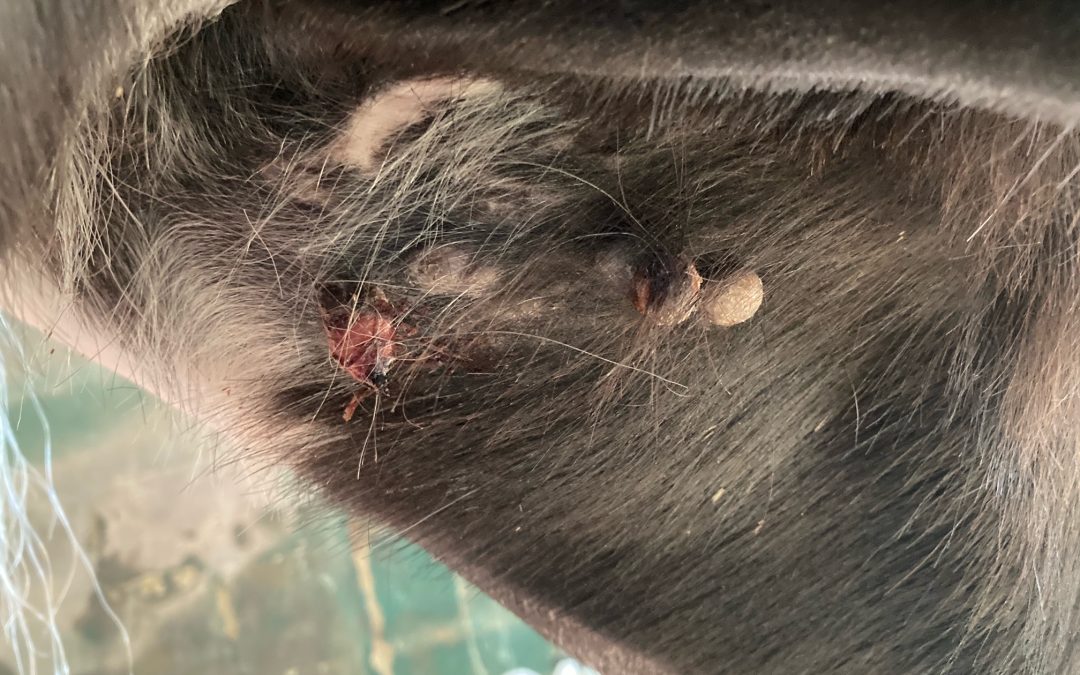
verrucous sarcoid on horse leg
Frequently Asked Questions
Q: What is a sarcoid on a horse?
A: A sarcoid on a horse is a common, non-cancerous skin tumor caused by bovine papillomavirus, appearing as lumps or patches that can grow if untreated. These affect horses worldwide and are benign but may require removal to prevent complications.
Q: Is a sarcoid on a horse cancer?
A: A sarcoid on a horse is not cancer, as it doesn't spread to other organs, but it's a tumor that can invade local tissues aggressively. Consult a vet for confirmation, as it mimics some cancerous behaviors.
Q: What does a sarcoid on a horse look like?
A: A sarcoid on a horse looks like a flat patch, wart-like bump, or ulcerated mass, varying by type and often hairless or scaly. See sarcoid on a horse pictures for examples—they're typically firm and can appear on legs or face.
For science-based removal tips, read Science-Backed Sarcoid Removal in Horses. Consider our Veterinary Grade Bloodroot Paste (2oz) for natural treatment.
See us featured on infohorse.com here.