

Sarcoids stem from bovine papillomavirus (BPV) types 1 and 2, which infect horses through wounds or flies. Not every horse gets them—genetics play a role, with breeds like Quarter Horses more susceptible. Transmission often involves contact with cattle or contaminated gear, but they're not highly contagious horse-to-horse.
Preventing flies is key, as they're likely vectors. For more on this, see our in-depth article at https://vet-grade.com/what-is-a-sarcoid-on-a-horse.
sarcoid on horse eyelid close up
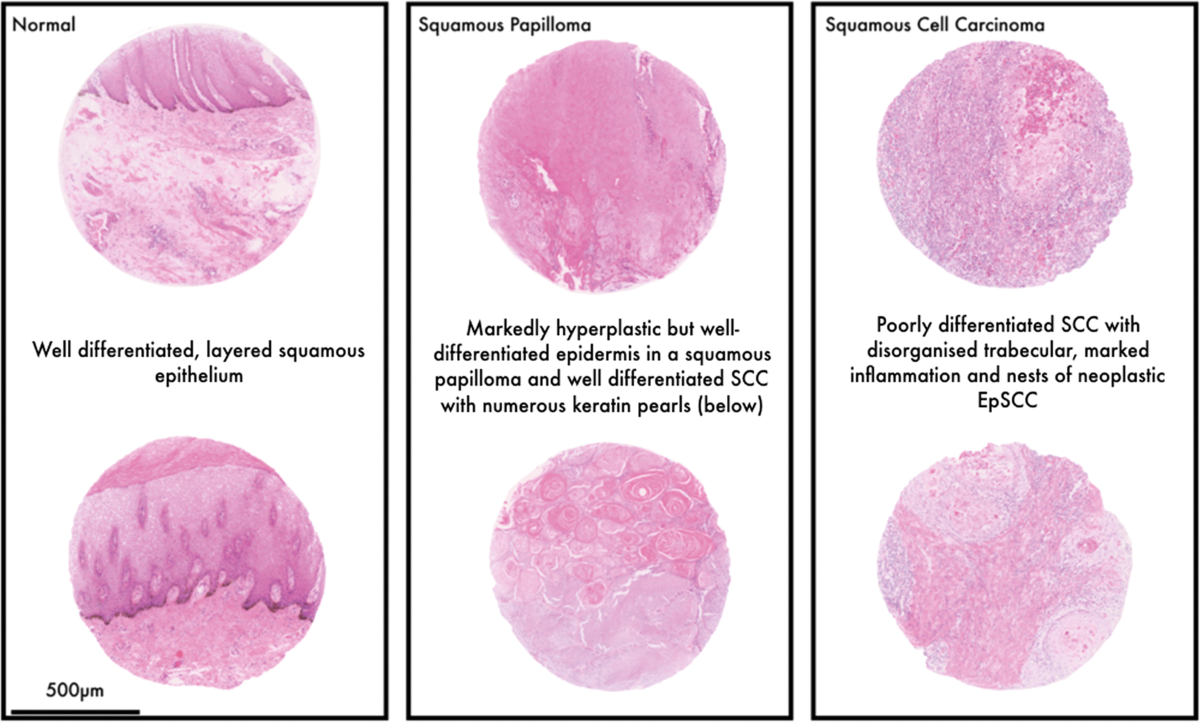
diagram of equine skin tumor types
Frequently Asked Questions
Q: What causes sarcoids on horses?
A: Sarcoids on horses are caused by bovine papillomavirus types 1 and 2, entering through skin breaks via flies or cattle contact. Genetic factors in some horses make them more prone to developing these tumors.
Q: Are horse sarcoids contagious?
A: Horse sarcoids are not contagious through casual horse-to-horse contact, but the virus can spread via shared tools or insects. Proper hygiene and fly control minimize risks.
Q: How does bovine papillomavirus affect horses?
A: Bovine papillomavirus in horses triggers abnormal skin cell growth, leading to sarcoids that can appear as various growths. It's not a natural horse virus but crosses from cattle.
Learn more in Is Sarcoid Contagious? The Latest Research Explained. Try our Veterinary Grade Fly-be-gone repellent shampoo (32oz) for prevention.